How Learning Shapes Personal Identity
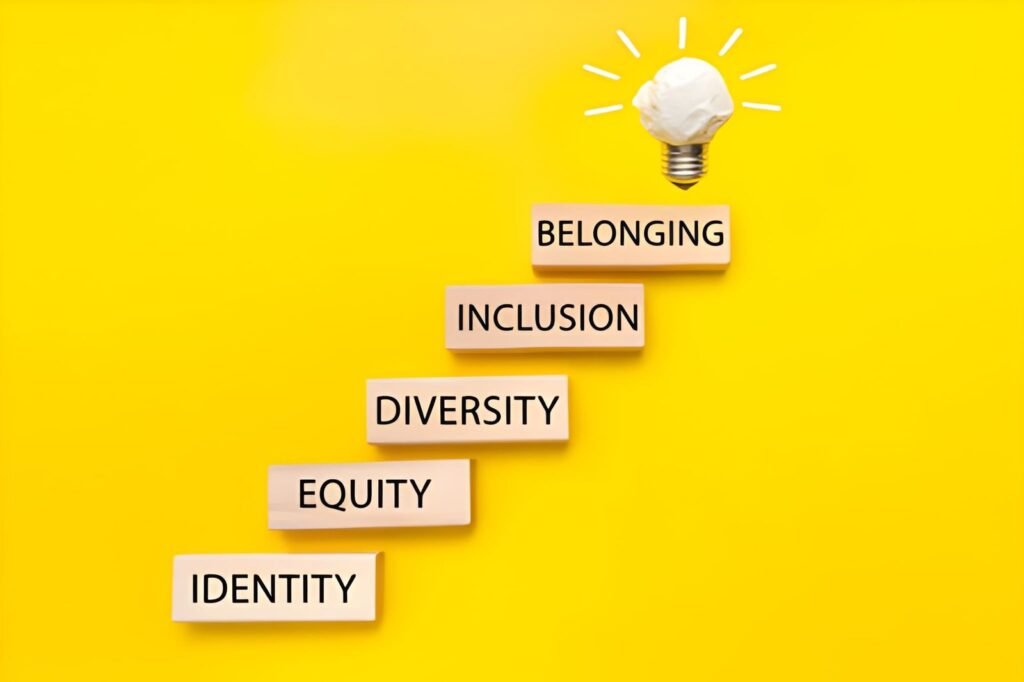
Personal identity is not something that appears fully formed at birth. It develops gradually through experiences, relationships, choices, beliefs, and the knowledge people collect throughout life. Among all these influences, learning plays a particularly important role. Every new idea we discover, skill we develop, or perspective we encounter can change how we understand ourselves and the world around us.
Learning is often associated with academic education, but it is much broader than classrooms and textbooks. People learn through conversations, travel, work, challenges, mistakes, hobbies, and everyday experiences. These lessons can influence what people value, how they make decisions, and the kind of person they want to become.
Learning Expands Self-Understanding
One of the most important ways learning shapes identity is by helping people understand themselves better.
When individuals explore different subjects and experiences, they often discover new interests and strengths.
A student may try writing and realize they enjoy storytelling. Another person may learn about technology and discover a passion for creating digital solutions.
These discoveries can influence future goals and choices.
Learning gives people opportunities to explore different possibilities and ask important questions about who they are.
Education Influences Beliefs and Perspectives
The knowledge people gain can influence how they understand the world.
Education introduces individuals to history, science, culture, philosophy, and many other subjects.
Learning about different societies and viewpoints can encourage people to question assumptions and develop more thoughtful opinions.
This does not mean that learning determines exactly what someone must believe.
Instead, it provides information that allows individuals to form their own perspectives.
A person who continues learning may become more comfortable with complexity and more willing to consider ideas that differ from their own.
Experiences Create Confidence
Learning new skills can also strengthen self-confidence.
The process of becoming good at something often requires patience and practice.
When people see themselves improving, they gain evidence that they are capable of growth.
For example, someone who learns to speak confidently in public may become more comfortable expressing ideas in other areas of life.
Similarly, mastering a difficult skill can create a sense of accomplishment that influences how a person sees their abilities.
Confidence developed through learning can become part of personal identity.
Learning Helps People Discover Their Values
Values are an important part of identity.
People develop ideas about honesty, responsibility, kindness, creativity, independence, and fairness through a combination of upbringing and experience.
Learning can deepen these values.
Reading about different cultures may encourage greater appreciation for diversity. Studying environmental issues may strengthen a person’s sense of responsibility toward the planet.
As people encounter new information, they may reconsider what matters most to them.
This process can help create a more thoughtful and authentic identity.
Mistakes Teach Important Lessons
Not all learning comes from success.
Mistakes can have a powerful influence on personal identity because they teach people how to respond when things go wrong.
Someone who makes a mistake and learns from it may become more patient, responsible, or resilient.
The experience can demonstrate that failure does not have to define a person.
Instead, it can become part of a larger story of growth.
The lessons gained from difficult experiences often remain with people for a long time.
Relationships Are Powerful Teachers
People also learn through their relationships with others.
Family members, friends, teachers, colleagues, and mentors can all influence personal development.
Every meaningful relationship can teach something about communication, trust, boundaries, empathy, or cooperation.
Listening to different perspectives can help people understand themselves more clearly.
Sometimes, discovering what we agree with or disagree with helps us define our own beliefs.
In this way, relationships become important parts of the learning process.
Learning Encourages Independence
As people gain knowledge and skills, they often become more capable of making decisions independently.
A person who understands how to manage money, solve problems, communicate effectively, or research information may feel more confident handling life’s responsibilities.
This sense of independence can become an important part of identity.
Learning teaches people not only what to think about but also how to think through situations for themselves.
Curiosity Keeps Identity Evolving
Personal identity is not fixed forever.
People continue to change as they grow older and experience new situations.
Curiosity allows individuals to remain open to this development.
Someone may discover a new interest at an unexpected stage of life or develop a different perspective after learning about an unfamiliar subject.
This constant evolution is natural.
A willingness to keep learning allows people to grow without feeling trapped by who they were in the past.
Learning Helps People Find Purpose
For many individuals, learning is closely connected to purpose.
Discovering a subject that feels meaningful can influence career choices, hobbies, and long-term goals.
A person who learns about a problem in their community may become interested in finding solutions.
Someone who discovers a passion for teaching may decide to help others learn.
Knowledge can therefore provide direction.
It helps people identify what they care about and consider how they want to contribute to the world.
Conclusion
Learning shapes personal identity by influencing how people understand themselves, interpret the world, develop values, and make decisions. It provides opportunities to discover strengths, build confidence, develop independence, and find purpose.
Education is only one part of this process. Life experiences, relationships, mistakes, challenges, and personal interests all contribute to the lessons people carry with them.
The person someone is today is influenced by everything they have learned so far, but that identity is not permanently fixed.
Every new experience creates the possibility of discovering something different.
Learning can challenge old assumptions, introduce new possibilities, and encourage people to become more thoughtful versions of themselves.
Ultimately, personal growth is closely connected to the willingness to keep learning. The more people explore, question, and reflect, the more clearly they may understand who they are and what they value.
In a changing world, learning gives individuals the freedom to grow beyond their past experiences. It reminds us that identity is not simply something we inherit or receive. It is something we continue to shape through the knowledge we gain, the experiences we embrace, and the choices we make every day.