Sample Page

Author: admin

  • The Importance of Quality Content

    The Importance of Quality Content

    Quality content  has become one of the most valuable assets in today’s digital world. Whether it is a blog article, website page, social media post, video, or email newsletter, the content a business or individual shares has the power to educate, inspire, entertain, and influence audiences. In an age where people have access to endless information, creating content that is useful, trustworthy, and engaging is more important than ever. Quality content helps businesses build credibility, attract new customers, strengthen relationships, and stand out in a crowded online marketplace. It is not simply about publishing frequently but about delivering meaningful value every time.

    What Is Quality Content?

    Quality content is information that is accurate, relevant, informative, and valuable to its intended audience. It answers questions, solves problems, or provides insights that readers genuinely find useful.

    Unlike content created only to attract attention, quality content focuses on meeting the needs of the audience. It is well-organized, easy to understand, and written with clarity and purpose. Whether the goal is to educate, entertain, or inform, quality content always leaves readers with something valuable.

    Creating meaningful content requires research, creativity, and a deep understanding of the audience.

    Building Trust and Credibility

    One of the greatest benefits of quality content is its ability to build trust. People are more likely to engage with businesses and creators who consistently provide reliable and helpful information.

    When readers find valuable content that answers their questions or solves their problems, they begin to view the source as trustworthy. Over time, this trust strengthens the relationship between the audience and the brand.

    Credibility is not built overnight, but consistent quality content helps establish a strong reputation that lasts.

    Attracting the Right Audience

    Quality content naturally attracts people who are interested in specific topics or solutions. Instead of reaching random visitors, businesses can connect with audiences who are genuinely looking for the products, services, or information they offer.

    By understanding customer needs and creating content that addresses those needs, businesses improve engagement and encourage meaningful interactions. Visitors who find valuable information are also more likely to return in the future.

    Targeted, high-quality content helps build a loyal audience over time.

    Supporting Search Engine Visibility

    Search engines aim to provide users with the most useful and relevant information. Websites that consistently publish high-quality content are more likely to appear in search results, increasing their online visibility.

    Well-written articles, informative guides, and original content encourage visitors to spend more time on a website and explore additional pages. This positive user experience supports long-term search engine performance.

    Although technical optimization is important, valuable content remains one of the strongest foundations of successful search engine strategies.

    Encouraging Customer Engagement

    Engaging content encourages readers to interact by leaving comments, sharing articles, asking questions, or discussing ideas with others. These interactions create stronger relationships between businesses and their audiences.

    Interesting stories, practical advice, and useful information inspire people to participate rather than simply consume content. The more engaged an audience becomes, the stronger the connection with the brand.

    Active engagement also provides businesses with valuable feedback that helps improve future content.

    Strengthening Brand Identity

    Every piece of content reflects a brand’s values, expertise, and personality. Consistently producing quality content helps businesses establish a recognizable voice and build a strong brand identity.

    Whether writing educational articles, publishing videos, or sharing updates on social media, maintaining a consistent style strengthens brand recognition. Customers become familiar with the business and develop confidence in its expertise.

    A strong brand identity creates lasting impressions and encourages long-term loyalty.

    The Value of Consistency

    Creating one excellent article is beneficial, but long-term success requires consistency. Audiences appreciate businesses and creators who regularly publish fresh, relevant, and valuable content.

    Consistent publishing keeps audiences engaged while demonstrating commitment and reliability. Over time, a collection of quality content builds authority within a particular industry or topic.

    Consistency also supports long-term marketing goals by continuously attracting new readers while maintaining existing audiences.

    Preparing for the Future of Digital Communication

    As technology evolves, the demand for quality content will continue to grow. Artificial intelligence, voice search, interactive media, and personalized experiences are changing how people discover and consume information.

    However, regardless of technological advancements, audiences will always value content that is honest, informative, and genuinely helpful. Businesses that prioritize quality over quantity will remain competitive and continue building meaningful relationships.

    Investing in quality content today prepares organizations for future opportunities in the digital world.

    Conclusion

    Quality content is the foundation of successful communication in today’s digital landscape. It builds trust, attracts the right audience, strengthens brand identity, improves search visibility, and encourages meaningful engagement. More importantly, it creates lasting value for readers while helping businesses establish credibility and long-term customer relationships. As online competition continues to grow, organizations that consistently produce informative, engaging, and reliable content will stand out from the crowd. By focusing on quality rather than quantity, businesses and creators can build stronger connections, achieve sustainable growth, and remain successful in the ever-evolving digital world.

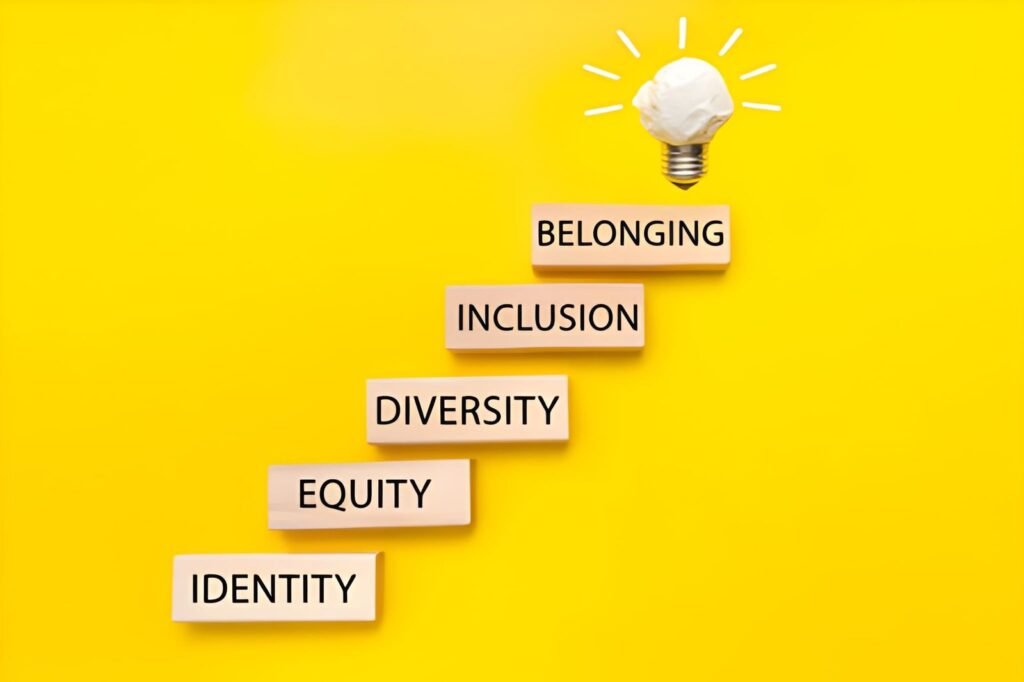
  • The Role of Innovation in Human Progress

    The Role of Innovation in Human Progress

    Human progress has always been connected to our ability to think differently, solve problems, and create new possibilities. From the earliest tools used by our ancestors to today’s advanced digital technologies, innovation has played a central role in shaping the way we live. It has changed how we communicate, travel, work, learn, and care for one another.

    Innovation is not simply about creating something completely new. Sometimes, it means improving an existing idea, finding a faster solution to a problem, or discovering a better way to meet people’s needs. Throughout history, small improvements have often led to major changes. This continuous process of exploring and improving is one of the key reasons human society continues to move forward .

    Innovation Solves Everyday Problems

    One of the most important roles of innovation is solving problems. People face challenges every day, from simple household tasks to complex global issues. Innovation encourages us to look for better answers instead of accepting problems as permanent.

    Consider how modern transportation has changed over time. People once depended mainly on walking or animals to travel long distances. Today, cars, trains, airplanes, and other technologies allow people to move quickly across cities and countries.

    The same process can be seen in communication. Letters once took days or weeks to reach their destination. Today, people can communicate instantly through digital platforms. These changes began with a simple human desire to make life easier and more connected.

    Innovation Drives Economic Growth

    Innovation also plays a major role in economic development. New products, services, and technologies can create businesses and generate employment opportunities.

    When companies introduce better solutions, they may attract customers and expand their operations. This growth can lead to new jobs and encourage further investment. Entrepreneurs also use innovation to identify needs that have not yet been fully addressed.

    Innovation can therefore create a cycle of progress. One new idea can inspire another, leading to continued development across different industries.

    Innovation Improves Education

    The way people learn has changed significantly because of innovation. Traditional classrooms remain important, but modern technology has created additional opportunities for education.

    Online learning platforms, digital libraries, interactive applications, and virtual tools allow students to access information in new ways. Someone living far from a major educational center may now be able to learn from experts around the world.

    Innovation can also make learning more engaging. Interactive activities and digital resources can help students understand difficult concepts and explore subjects at their own pace.

    The goal is not to replace teachers but to give educators and learners more tools for sharing and discovering knowledge.

    Innovation Supports Better Healthcare

    Healthcare is another area where innovation has made an enormous difference. Advances in medical research, technology, and treatment methods have helped professionals understand diseases and improve patient care.

    Modern diagnostic tools can help identify health problems more accurately, while new technologies support researchers in developing better treatments. Digital systems can also make it easier to organize information and improve communication between healthcare professionals.

    These developments demonstrate how innovation can have a direct impact on people’s quality of life. Behind every advancement is a process of research, experimentation, and a willingness to search for better solutions.

    Innovation Encourages Creativity

    Innovation and creativity are closely connected. Before something new can be created, someone often has to imagine a possibility that does not yet exist.

    Creative thinking allows people to approach challenges from different angles. Instead of asking only, “How has this always been done?” innovative thinkers ask, “What else could we try?”

    This mindset is valuable not only for scientists and inventors but for everyone. Students, teachers, artists, entrepreneurs, and professionals can all use creative thinking to improve their work.

    Innovation Helps Society Adapt

    The world is constantly changing, and innovation helps people adapt to new circumstances. When challenges arise, innovative thinking can provide alternative ways to respond.

    For example, changes in technology have transformed many careers. People who are willing to learn new skills and explore new tools may find it easier to adjust to changing work environments.

    Innovation also encourages societies to prepare for the future. By investing in research and exploring new ideas, communities can become better equipped to handle challenges that may emerge later.

    Responsible Innovation Matters

    Although innovation brings many benefits, it should always be approached responsibly. New technologies and ideas can have unintended consequences if they are developed or used without considering their wider impact.

    Responsible innovation means thinking about safety, fairness, sustainability, and the needs of different communities. Progress should not only be measured by how advanced something is but also by whether it genuinely improves people’s lives.

    This balance between creativity and responsibility is essential for meaningful progress.

    Conclusion

    Innovation is one of the strongest forces behind human progress. It helps us solve problems, improve education and healthcare, create economic opportunities, and adapt to a changing world. More importantly, it encourages people to imagine possibilities beyond what already exists.

    Every major innovation begins with curiosity and a willingness to ask questions. Sometimes the result is a revolutionary invention, while other times  it is simply a better way of doing something familiar. Both forms of innovation matter.

    As the future brings new challenges, humanity will continue to depend on innovative thinking. By encouraging creativity, supporting research, embracing learning, and using new ideas responsibly, we can continue building a world that is more connected, capable, and prepared for what lies ahead.

  • How Learning Shapes Personal Identity

    How Learning Shapes Personal Identity

    Personal identity is not something that appears fully formed at birth. It develops gradually through experiences, relationships, choices, beliefs, and the knowledge people collect throughout life. Among all these influences, learning plays a particularly important role. Every new idea we discover, skill we develop, or perspective we encounter can change how we understand ourselves and the world around us.

    Learning is often associated with academic education, but it is much broader than classrooms and textbooks. People learn through conversations, travel, work, challenges, mistakes, hobbies, and everyday experiences. These lessons can influence what people value, how they make decisions, and the kind of person they want to become.

    Learning Expands Self-Understanding

    One of the most important ways learning shapes identity is by helping people understand themselves better.

    When individuals explore different subjects and experiences, they often discover new interests and strengths.

    A student may try writing and realize they enjoy storytelling. Another person may learn about technology and discover a passion for creating digital solutions.

    These discoveries can influence future goals and choices.

    Learning gives people opportunities to explore different possibilities and ask important questions about who they are.

    Education Influences Beliefs and Perspectives

    The knowledge people gain can influence how they understand the world.

    Education introduces individuals to history, science, culture, philosophy, and many other subjects.

    Learning about different societies and viewpoints can encourage people to question assumptions and develop more thoughtful opinions.

    This does not mean that learning determines exactly what someone must believe.

    Instead, it provides information that allows individuals to form their own perspectives.

    A person who continues learning may become more comfortable with complexity and more willing to consider ideas that differ from their own.

    Experiences Create Confidence

    Learning new skills can also strengthen self-confidence.

    The process of becoming good at something often requires patience and practice.

    When people see themselves improving, they gain evidence that they are capable of growth.

    For example, someone who learns to speak confidently in public may become more comfortable expressing ideas in other areas of life.

    Similarly, mastering a difficult skill can create a sense of accomplishment that influences how a person sees their abilities.

    Confidence developed through learning can become part of personal identity.

    Learning Helps People Discover Their Values

    Values are an important part of identity.

    People develop ideas about honesty, responsibility, kindness, creativity, independence, and fairness through a combination of upbringing and experience.

    Learning can deepen these values.

    Reading about different cultures may encourage greater appreciation for diversity. Studying environmental issues may strengthen a person’s sense of responsibility toward the planet.

    As people encounter new information, they may reconsider what matters most to them.

    This process can help create a more thoughtful and authentic identity.

    Mistakes Teach Important Lessons

    Not all learning comes from success.

    Mistakes can have a powerful influence on personal identity because they teach people how to respond when things go wrong.

    Someone who makes a mistake and learns from it may become more patient, responsible, or resilient.

    The experience can demonstrate that failure does not have to define a person.

    Instead, it can become part of a larger story of growth.

    The lessons gained from difficult experiences often remain with people for a long time.

    Relationships Are Powerful Teachers

    People also learn through their relationships with others.

    Family members, friends, teachers, colleagues, and mentors can all influence personal development.

    Every meaningful relationship can teach something about communication, trust, boundaries, empathy, or cooperation.

    Listening to different perspectives can help people understand themselves more clearly.

    Sometimes, discovering what we agree with or disagree with helps us define our own beliefs.

    In this way, relationships become important parts of the learning process.

    Learning Encourages Independence

    As people gain knowledge and skills, they often become more capable of making decisions independently.

    A person who understands how to manage money, solve problems, communicate effectively, or research information may feel more confident handling life’s responsibilities.

    This sense of independence can become an important part of identity.

    Learning teaches people not only what to think about but also how to think through situations for themselves.

    Curiosity Keeps Identity Evolving

    Personal identity is not fixed forever.

    People continue to change as they grow older and experience new situations.

    Curiosity allows individuals to remain open to this development.

    Someone may discover a new interest at an unexpected stage of life or develop a different perspective after learning about an unfamiliar subject.

    This constant evolution is natural.

    A willingness to keep learning allows people to grow without feeling trapped by who they were in the past.

    Learning Helps People Find Purpose

    For many individuals, learning is closely connected to purpose.

    Discovering a subject that feels meaningful can influence career choices, hobbies, and long-term goals.

    A person who learns about a problem in their community may become interested in finding solutions.

    Someone who discovers a passion for teaching may decide to help others learn.

    Knowledge can therefore provide direction.

    It helps people identify what they care about and consider how they want to contribute to the world.

    Conclusion

    Learning shapes personal identity by influencing how people understand themselves, interpret the world, develop values, and make decisions. It provides opportunities to discover strengths, build confidence, develop independence, and find purpose.

    Education is only one part of this process. Life experiences, relationships, mistakes, challenges, and personal interests all contribute to the lessons people carry with them.

    The person someone is today is influenced by everything they have learned so far, but that identity is not permanently fixed.

    Every new experience creates the possibility of discovering something different.

    Learning can challenge old assumptions, introduce new possibilities, and encourage people to become more thoughtful versions of themselves.

    Ultimately, personal growth is closely connected to the willingness to keep learning. The more people explore, question, and reflect, the more clearly they may understand who they are and what they value.

    In a changing world, learning gives individuals the freedom to grow beyond their past experiences. It reminds us that identity is not simply something we inherit or receive. It is something we continue to shape through the knowledge we gain, the experiences we embrace, and the choices we make every day.

  • Hello world!

    Welcome to WordPress. This is your first post. Edit or delete it, then start writing!